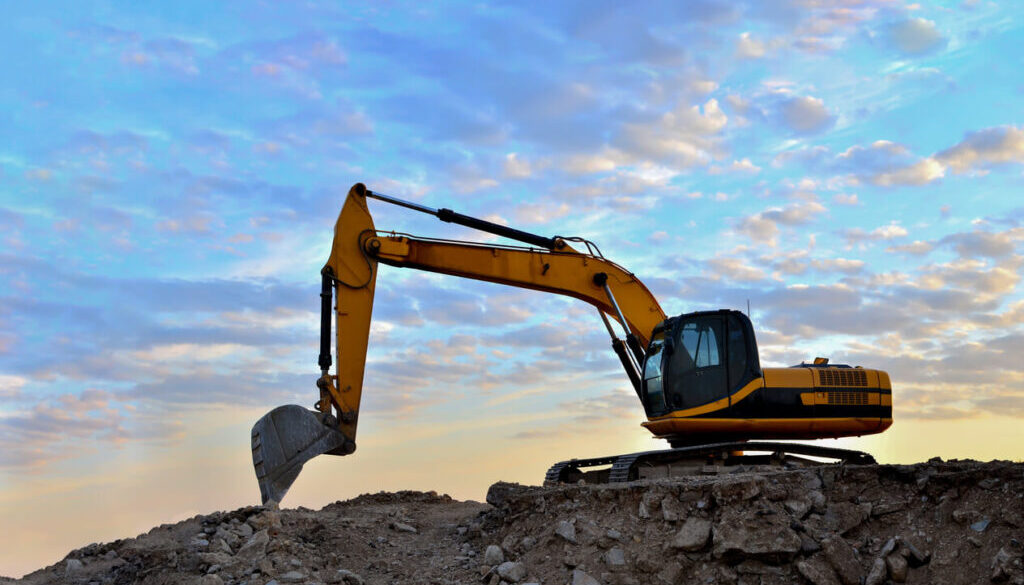
Smart Construction Equipment Financing Options 2026
Financing construction equipment is one of the most effective ways contractors grow fleets, manage cash flow, and stay competitive in 2026. Whether you are purchasing dump trucks, excavators, loaders, or specialty equipment, understanding your financing options helps you make smarter decisions without slowing down operations.
This guide explains how construction equipment financing works, when to use loans or leases, and how contractors can plan equipment purchases with long-term fleet growth in mind.
What Construction Equipment Financing Covers
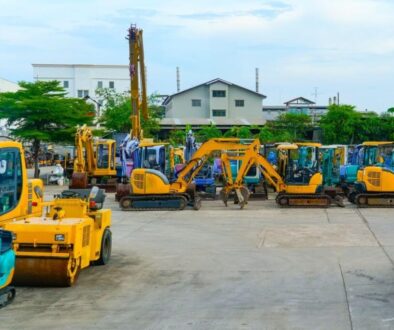
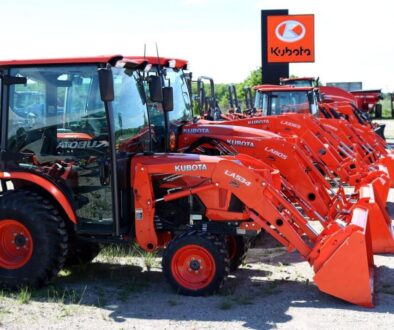
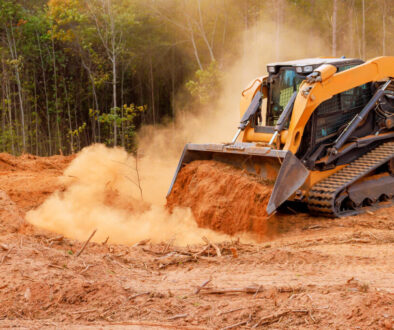
Construction equipment financing applies to a wide range of machinery used on active job sites and transport routes. Contractors commonly finance dump trucks, excavators, skid steers, loaders, trailers, dozers, cranes, and material handling equipment.
Both new and used equipment may qualify depending on age, condition, and intended use. Financing allows contractors to put equipment to work immediately while spreading costs over time.
Learn how construction equipment financing supports fleet growth
Construction Equipment Loans Explained
A construction equipment loan allows you to purchase equipment and own it outright once the loan is paid off. Loans are commonly used for core fleet assets that contractors plan to keep long term. Monthly payments are fixed, making budgeting predictable, and ownership builds equity in the equipment.
Explore specific financing options in our How to Finance an Excavator guide
When a Loan Makes Sense for Contractors
Loans work well when equipment will be used consistently across multiple projects or kept for many years. They are often preferred for dump trucks, excavators, and other primary machines that hold resale value and remain productive long term.
Need financing for heavy equipment? Explore our dump trucks guide or excavators guide to see how financing works for your fleet.
How Loan Terms Affect Cash Flow
Loan length and structure impact monthly payments and overall flexibility. Matching loan terms to job timelines helps contractors maintain healthy cash flow while still expanding capacity.
Loan vs Lease for Construction Equipment
Choosing between a loan and a lease depends on how the equipment will be used, how long it will stay in the fleet, and overall growth plans. Loans focus on ownership and long-term value, while leases prioritize flexibility and payment predictability. Many contractors use a combination of both depending on the equipment type.
Why Financing Often Makes Sense
Financing through a loan allows contractors to claim tax deductions on interest and depreciation, retain ownership of equipment as a business asset, and build equity over time. These benefits are especially useful for core fleet assets such as dump trucks and excavators that retain value and productivity across multiple projects.
Click here Explore construction equipment financing options for your fleet
What Lenders Look at for Construction Equipment Financing
Lenders evaluate several factors when reviewing construction equipment financing applications. These typically include time in business, revenue consistency, equipment type, and overall credit profile. Equipment that is well maintained and commonly used in construction often qualifies more easily.
Credit Considerations for Contractors
Strong credit can improve approval options, but many contractors still qualify with average credit depending on business strength and equipment selection.
How Equipment Type Impacts Approvals
Dump trucks, excavators, and other high-demand equipment are generally easier to finance due to strong resale markets and predictable use cases.
Financing Used Construction Equipment
Used construction equipment financing is common in 2026 as contractors look to balance cost and performance. Age limits, condition, and inspection results play a major role in approval. Financing used equipment can be a cost-effective way to expand a fleet without sacrificing productivity.
State-Specific Considerations for Construction Equipment Financing
Construction equipment financing requirements can vary by state. Contractors operating in California may need to consider emissions compliance, while Texas and Florida often focus on registration and weight classifications. New York contractors may face additional documentation requirements depending on equipment type. Understanding these regional differences helps avoid delays.
How Financing Supports Fleet Growth
Strategic financing allows contractors to add equipment as demand increases rather than waiting for full cash purchases. Financing supports growth by keeping capital available for labor, materials, and project expenses while equipment generates revenue.
Click here and Apply today
Common Mistakes Contractors Make When Financing Equipment
Some contractors finance equipment without aligning payments to job schedules or choose equipment that does not match workload demands. Others overlook inspection requirements or future resale considerations. Planning ahead helps avoid these issues and improves long-term fleet performance.
Planning Ahead for Equipment Purchases
Successful contractors plan equipment financing around upcoming projects, seasonal workloads, and fleet replacement cycles. Reviewing equipment needs early allows time to select the right financing structure and avoid rushed decisions.
Conclusion
Construction equipment financing is a practical tool for contractors looking to build stronger fleets in 2026. By understanding loan and lease options, planning purchases strategically, and accounting for state-specific requirements, contractors can expand operations while maintaining flexibility and control. Financing done correctly supports growth, efficiency, and long-term fleet value.
Frequently Asked Questions FAQ
What is construction equipment financing?
What financing options are available in 2026?
What is the difference between a loan and a lease?
How long are financing terms for heavy equipment?
Can I finance used construction equipment?
Do I need a down payment?
What credit score is needed for equipment financing?
Can new businesses qualify for construction equipment financing?
Does applying affect my credit score?
What types of equipment can be financed?
How fast can I get approved?
What happens at the end of the financing term?