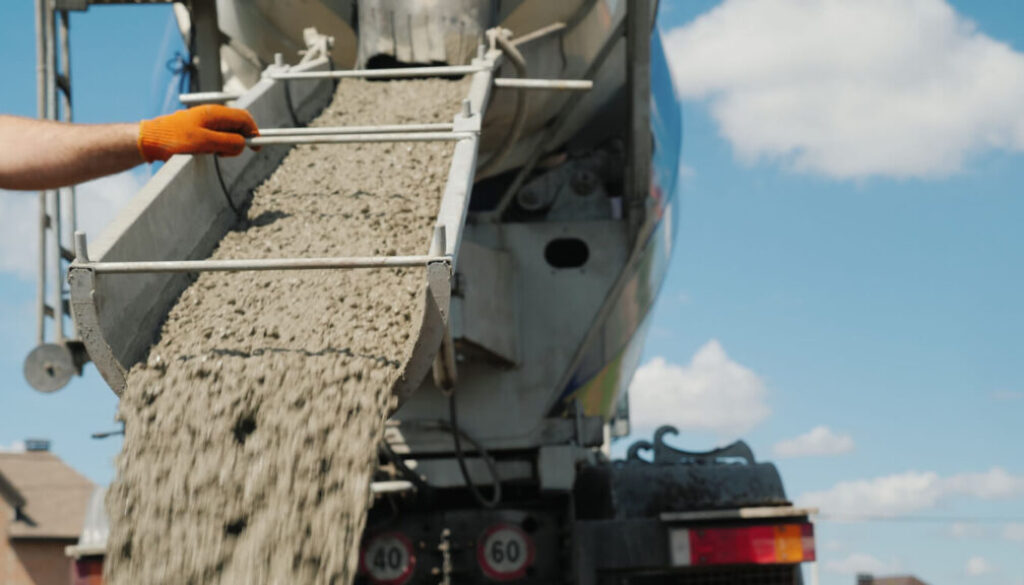
Concrete Trucks for Contractors: Types, Costs, and Buying Guide
Concrete trucks are essential to modern construction because they keep concrete fresh, consistent, and ready for placement from plant to jobsite. Contractors rely on the right mixer configuration to protect material quality, reduce waste, and maintain production schedules.
Choosing the right truck impacts job efficiency, crew productivity, and long term operating costs. This guide breaks down concrete truck types, contractor use cases, pricing trends, and how to evaluate the best option for fleet growth.
What Is a Concrete Truck?
A concrete truck transports and mixes ready mix concrete while preventing premature curing. The rotating drum keeps aggregates, cement, and water properly blended until the moment of discharge, which protects structural integrity and reduces material loss. For contractors, the right truck directly supports schedule reliability and jobsite efficiency.
- Maintains consistent concrete quality during transport
- Reduces waste and costly re pours
- Improves placement speed and crew productivity
Standard Transit Mix Trucks

Transit mix trucks are the most common configuration used by contractors and ready mix companies. The drum mixes concrete in transit and continues rotating until discharge, making them ideal for daily commercial and residential pours.
- Best for general construction, foundations, slabs, and flatwork
- Flexible for multiple job types and delivery distances
- Lower upfront cost compared to specialized mixer trucks
Transit mixers remain the backbone of most fleets because they balance cost, reliability, and versatility across projects.
Volumetric Concrete Trucks
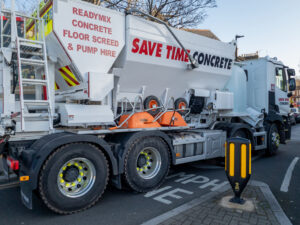
Volumetric trucks carry raw materials separately and mix concrete on site. This allows operators to adjust mix design in real time and produce only the amount needed for each job.
- Eliminates over ordering and leftover material
- Ideal for remote jobs and variable pour requirements
- Supports specialty mixes for infrastructure and municipal work
Contractor insight. Volumetric trucks help reduce material waste and can improve margins on smaller or unpredictable jobs.
Pump Trucks and Mixer Pump Combos
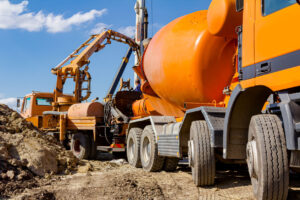
Pump trucks and mixer pump combinations are designed for projects where concrete must be placed at height or across difficult terrain. They reduce manual labor and speed up placement on large commercial builds.
- Essential for multi story construction and complex pours
- Reduces crew strain and improves placement precision
- Increases productivity on large scale projects
Contractor insight. Adding pumping capability can open doors to higher value projects and more competitive bids.
Concrete Truck Pricing and Market Trends
Concrete truck pricing varies based on drum capacity, brand, configuration, and whether the unit is new or used. Market demand, steel pricing, and emissions standards also influence cost.
- New concrete mixer trucks typically range from 180,000 to 350,000 depending on specs
- Used units often range from 70,000 to 180,000 based on condition and hours
- Demand continues to rise due to infrastructure spending and housing development
Fleet growth insight. Contractors expanding into ready mix services or increasing project volume often prioritize mixer investments to control delivery timelines and reduce reliance on third party suppliers.
How Contractors Choose the Right Concrete Truck
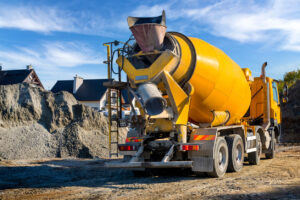
Selecting the right truck requires balancing project needs, delivery radius, maintenance costs, and expected utilization. The best investment supports consistent workloads and long term ROI.
- Evaluate average job size and delivery distance
- Consider maintenance access and parts availability
- Align truck capacity with projected project pipeline
Financing insight. Many contractors scale into additional mixer units through structured financing that preserves cash flow while supporting expansion.
Contractor ROI and Operational Advantages
Owning concrete trucks allows contractors to control scheduling, improve margins, and reduce dependency on outside suppliers. This creates a more predictable project timeline and supports long term business growth.
- Faster project turnaround and fewer delays
- Greater control over material availability
- Strong resale value when fleet upgrades occur
Concrete mixer ownership often becomes a turning point for contractors transitioning from subcontracting to full service project delivery.
Conclusion
Concrete trucks play a critical role in construction efficiency, material quality, and long term profitability. The right mixer configuration supports consistent jobsite performance and strengthens a contractor’s ability to scale operations. With infrastructure demand and commercial development continuing to rise, investing in the right concrete truck can position contractors for steady growth. Evaluating project needs, cost structure, and financing options helps ensure each purchase supports both immediate productivity and future expansion.

FAQ
What is a concrete truck used for in construction?
What are the different types of concrete trucks?
How much concrete can a standard mixer truck carry?
How long can concrete stay in a concrete truck?
What is the difference between a transit mixer and a volumetric concrete truck?
Do contractors need special licensing to operate a concrete truck?
Are concrete trucks profitable for construction companies?
What size concrete truck is best for construction contractors?
How much does a concrete mixer truck cost?
Should contractors buy or finance a concrete truck?
What jobs require concrete pump trucks instead of standard mixers?
How do contractors choose the right concrete truck for their fleet?