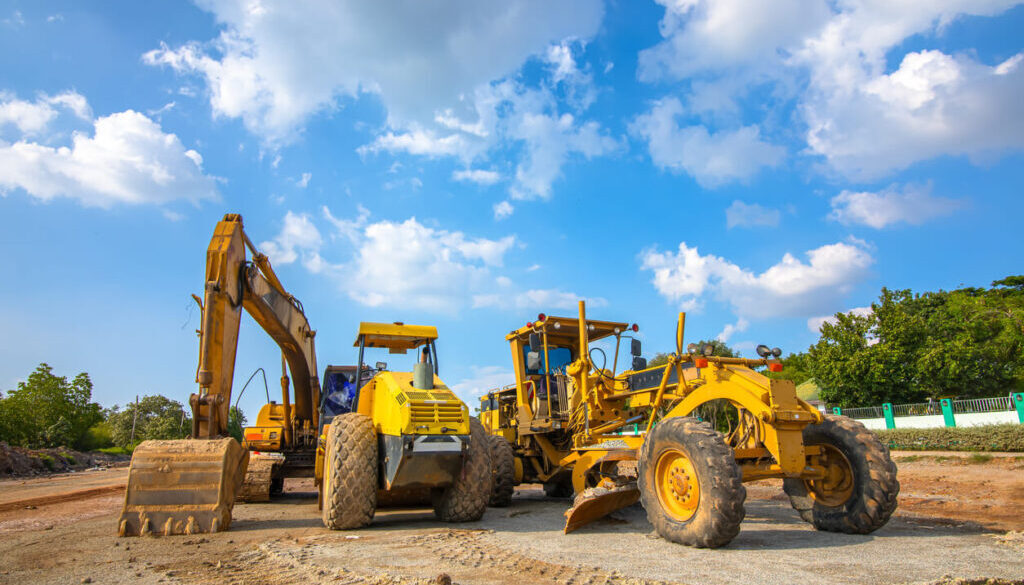
Rent vs Buy Heavy Equipment: What Contractors Need to Know in 2026
Deciding whether to rent vs buy heavy equipment is one of the most important financial decisions a contractor can make. The right choice impacts cash flow, job flexibility, and long-term profitability.
In 2026, rising equipment costs, tighter project timelines, and evolving financing options make this decision even more critical. This guide breaks down the real costs, use cases, and financing strategies so you can choose what works best for your business.
Rent vs Buy Heavy Equipment: What’s the Difference?
At a high level, renting and buying serve different business needs.
Renting equipment gives you short-term access without long-term commitment.
It Is Ideal For:
- One-off projects
- Seasonal work
- Testing new equipment types
- Avoiding maintenance responsibility
Buying equipment means ownership, which brings long-term value and control.
It Is Ideal For:
- Consistent, repeat use
- Growing your fleet
- Building equity in assets
- Lower cost over time with frequent use
Most contractors end up using a mix of both, depending on workload and cash flow.
Rent vs Buy Heavy Equipment: When Buying Is the Better Move
Buying becomes the smarter decision when equipment is central to your operations.
Frequent, Long-Term Use
If you are using a machine consistently, ownership typically becomes more cost-effective than renting over time.
Building Equity and Asset Value
Owned equipment becomes a business asset.
It Can:
- Be resold later
- Be used as collateral
- Strengthen your balance sheet
Greater Availability and Control
Owning Means:
- No scheduling conflicts
- No rental availability issues
- Full control over usage
When evaluating rent vs buy heavy equipment, financing often makes ownership more accessible.
Learn More: Get Pre-Qualified
Customization and Branding
You can modify equipment such as excavators to fit your workflow and brand your machines for visibility on jobsites.
Rent vs Buy Heavy Equipment: When Renting Makes More Sense
Renting is not just about avoiding ownership. It is a strategic move when flexibility matters.
Short-Term or Specialized Jobs
If you only need a machine for a few days or weeks, renting is usually the most cost-effective option. This is especially true for specialized equipment that is not used regularly.
Lower Upfront Costs
Renting requires little to no upfront investment. This helps preserve working capital for payroll, materials, and other jobsite expenses.
No Maintenance or Storage Costs
Rental Companies Handle:
- Repairs
- Routine maintenance
- Storage
This reduces overhead and downtime risk.
Access to Newer Equipment
Rental fleets are often updated frequently, giving you access to newer models without the cost of ownership.
Rent vs Buy Heavy Equipment Cost Breakdown
Understanding the real cost is where most contractors make better decisions.
Renting Costs
- Daily, weekly, or monthly rental rates
- Delivery and pickup fees
- Potential damage fees
- Fuel and operator costs
Buying Costs
- Purchase price or down payment
- Monthly loan or lease payments
- Insurance
- Maintenance and repairs
- Storage and transportation
Key Insight
If you use a machine more than 60 to 70 percent of the time, buying often becomes more economical than renting.
Financing Heavy Equipment: Making Ownership More Accessible
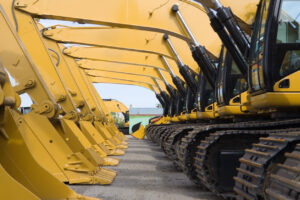
Many contractors assume buying requires large upfront capital, but financing changes the equation.
Common Equipment Financing Options
- Equipment loans
- Equipment finance agreements
- Leasing options
Why Contractors Choose Financing
- Preserve cash flow
- Spread costs over time
- Acquire more equipment faster
- Keep working capital available for operations
Financing allows you to turn large purchases into manageable monthly payments while still benefiting from ownership.
Looking to grow your fleet without tying up cash? Apply for equipment financing and see your options today.
Tax Benefits of Buying Equipment in 2026

Owning equipment can come with significant tax advantages.
Section 179 Deduction
Contractors may be able to deduct the full purchase price of qualifying equipment in the year it is placed in service.
Bonus Depreciation
Additional depreciation benefits may apply depending on current tax laws.
These incentives can significantly reduce the true cost of ownership when structured correctly.
Rent vs Buy Based on Contractor Type
New or Small Contractors
- Renting is often safer early on
- Helps manage risk and cash flow
- Financing becomes valuable once revenue stabilizes
Growing Contractors
- A mix of renting and buying works best
- Buy frequently used equipment
- Rent specialized or occasional-use machines
Established Contractors - Ownership typically dominates
- Renting fills temporary gaps
- Financing supports fleet expansion
Real-World Example: Skid Steer
A skid steer is one of the most commonly used machines across jobsites.
- Renting may cost several hundred dollars per day
- Buying spreads cost over months or years
If used daily, financing a skid steer often results in lower long-term cost while increasing job capacity and revenue potential.
How to Decide: A Simple Framework
Ask Yourself:
- How often will I use this equipment?
- Does this machine directly generate revenue?
- Can I afford upfront costs or would financing make more sense?
- Do I want long-term asset value or short-term flexibility?
If usage is consistent and tied to revenue, buying with financing is usually the better move.
Common Mistakes Contractors Make
Avoid These Costly Errors:
- Renting long-term without comparing ownership costs
- Buying equipment that is rarely used
- Ignoring maintenance and storage costs
- Not exploring financing options
- Focusing only on price instead of ROI
Conclusion: Renting vs Buying Comes Down to Strategy
Ultimately, the rent vs buy heavy equipment decision comes down to usage, cash flow, and long-term growth strategy. There is no one-size-fits-all answer. The best contractors use both renting and buying strategically.
- Rent for flexibility and short-term needs
- Buy for long-term growth and consistent use
- Use financing to scale without limiting cash flow
Making the right choice allows you to take on more jobs, increase efficiency, and grow your business with confidence.
FAQ: Rent vs Buy Heavy Equipment
Is it better to rent vs buy heavy equipment?
When should you buy instead of renting heavy equipment?
Is financing heavy equipment better than renting?
What is the 60 percent rule for rent vs buy heavy equipment?
Can you get heavy equipment financing with bad credit?
What types of equipment are best to buy instead of rent?
Is renting heavy equipment tax deductible?
How do I decide between renting and buying equipment for my business?