Concrete Trucks in Construction: Types Uses and Costs
Concrete trucks play a critical role in modern construction by delivering and mixing ready mix concrete directly to the jobsite. From residential foundations to large commercial pours, contractors rely on these trucks to keep projects moving on schedule. Choosing the right concrete truck affects productivity, material quality, and long term operating costs. This guide explains the main types of concrete trucks, how they are used in construction, and what contractors should consider before adding one to their fleet.
The Role of Concrete Trucks in Construction
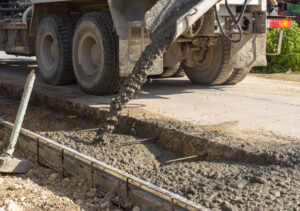
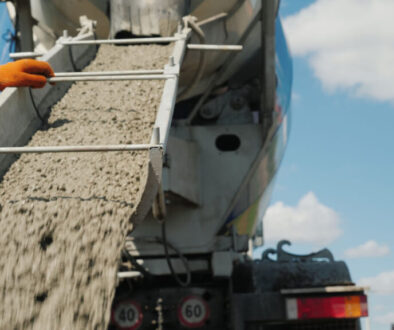
Concrete trucks transport fresh concrete from the batch plant to the jobsite while keeping the drum rotating to prevent premature setting. Consistent mixing ensures uniform strength and performance once the material is poured. For contractors managing tight timelines, dependable concrete delivery reduces delays and improves crew efficiency. Owning or financing a concrete truck can also increase scheduling control and reduce reliance on third party suppliers.
Operational benefits include:
• Greater control over pour timing and crew coordination
• Reduced risk of delays due to outside supplier issues
• Ability to schedule multiple pours in a single day
• Long term asset value that strengthens the company balance sheet
Click here for Concrete Truck Financing
Main Types of Concrete Trucks
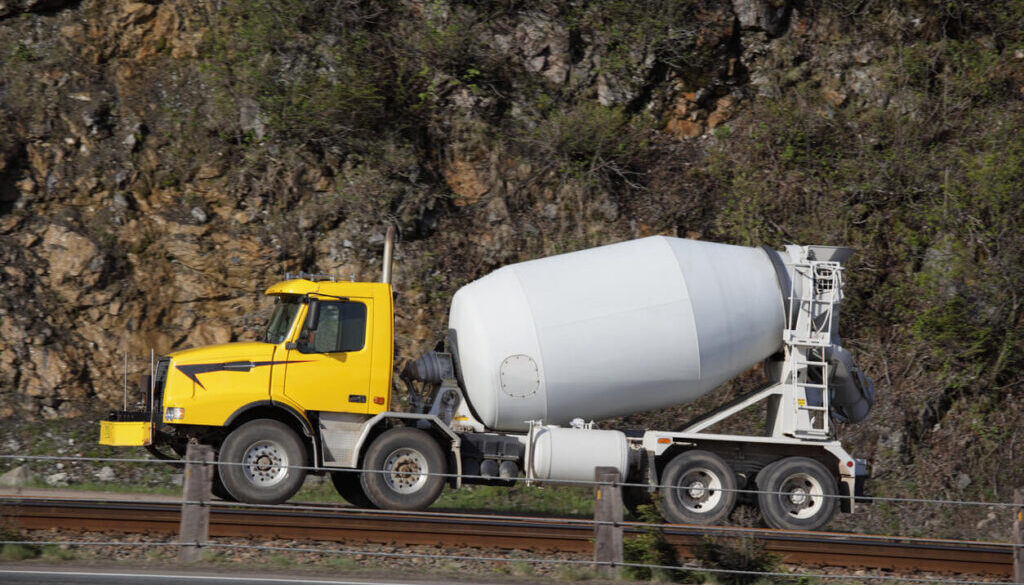
Transit mixer trucks are the most common type used in construction. These trucks load pre mixed concrete at a plant and keep the drum rotating during transport. They are ideal for steady daily pours such as slabs, footings, and sidewalks.
Volumetric concrete trucks carry raw materials including cement, aggregates, and water, and mix the concrete on site. This allows contractors to adjust the mix design in real time and produce only the quantity needed. They are useful for remote jobsites or projects that require multiple mix strengths in a single day.
Key considerations for use include:
• Matching truck capacity to project volume
• Average haul distance from batch plant
• Jobsite accessibility and maneuverability
Concrete pump trucks combine mixing capability with a boom or line pump system that places concrete directly where it is needed. They are often used on large commercial builds, multi story structures, and jobs with limited site access. Advantages include:
• Precision placement in tight or elevated spaces
• Reduces need for manual labor to transport concrete
• Supports multiple pour locations efficiently
Common Construction Uses
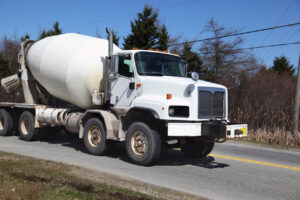
Concrete trucks are used across nearly every sector of construction. Residential builders depend on them for driveways and foundations. Commercial contractors use them for parking structures, tilt up panels, and structural slabs. Infrastructure projects such as roadwork and bridge construction also require reliable mixer trucks to maintain consistent material quality over large pours. Proper truck selection can improve efficiency and reduce material waste:
• Matching drum size to pour volume avoids extra trips
• Choosing volumetric or pump trucks based on site constraints improves workflow
• Ensuring trucks comply with local weight and bridge regulations prevents delays
Concrete Truck Costs and Ownership Considerations
The cost of a concrete truck varies based on capacity, configuration, and whether the unit is new or used. Larger drums increase material capacity but also impact weight limits and fuel consumption. Maintenance expenses include drum wear components, hydraulic systems, and chassis upkeep. Many contractors evaluate financing options to preserve working capital while expanding their fleet. When used strategically, a concrete truck can improve margins by reducing scheduling conflicts and minimizing material waste.
Key ownership factors:
• Preventative maintenance of drum, hydraulics, and chassis
• Evaluating new vs used trucks based on project volume and capital availability
• Considering lifecycle costs, including fuel, tires, and parts replacement
How to Choose the Right Concrete Truck

Selecting the right concrete truck depends on project volume, average haul distance, and jobsite accessibility. Contractors should consider drum size, maneuverability, local weight regulations, and expected weekly output. For growing companies, adding a mixer truck can strengthen operational control and support long term expansion. Matching equipment capacity to realistic workload projections is key to maintaining profitability.
Additional tips:
• Plan truck capacity based on peak daily output
• Consider volumetric trucks for projects requiring multiple mix strengths
• Assess whether pump capabilities are necessary for tight or elevated pours
Conclusion
Concrete trucks are essential assets in construction, supporting everything from small residential pours to large scale commercial projects. Understanding the differences between mixer types and evaluating true operating costs helps contractors make informed fleet decisions. Whether purchasing new equipment or financing a used unit, aligning truck capacity with project demand is critical for long term success. A well selected concrete truck strengthens productivity, improves scheduling control, and supports sustainable fleet growth.