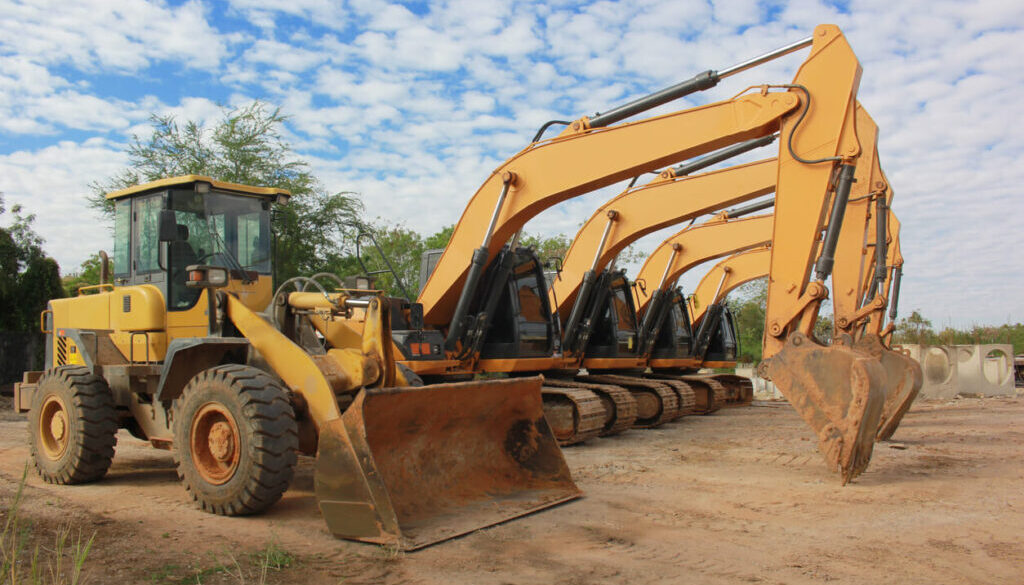
Top Cost-Saving Strategies for Construction Fleets in 2026
Managing a construction fleet efficiently is more important than ever in 2026. Rising fuel costs, stricter regulations, and maintenance expenses make cost control a critical focus for contractors and fleet managers.
This guide highlights practical strategies to reduce operating expenses, improve equipment lifespan, and maximize fleet productivity. From maintenance optimization and telematics to fuel management and smart purchasing, these strategies are designed for real-world construction operations across states like California, Texas, Florida, and New York.
Preventive Maintenance and Scheduled Inspections
Regular maintenance is one of the most effective ways to reduce unexpected costs and downtime. Implementing a preventive maintenance (PM) schedule ensures that trucks, trailers, and heavy equipment stay in peak condition.
-
Create a detailed PM schedule for all fleet vehicles, including hydraulic systems, brakes, and undercarriage components.
-
Use inspection checklists before and after each job to catch wear and tear early.
-
Track maintenance history with digital logs to optimize service intervals and support resale value.
Telematics and Fleet Tracking

Telematics systems provide real-time data on vehicle location, engine hours, fuel consumption, and driver behavior. Contractors can use this data to reduce waste and improve operational efficiency.
-
Monitor idle time and implement alerts for fuel-heavy operations.
-
Track routes to optimize travel and reduce unnecessary mileage.
-
Use telematics reports to plan preventive maintenance based on actual usage.
Invest in smarter fleet management with financing options that fit your budget. See how we can help your trucks and equipment.
Fuel Management Strategies
Fuel is a significant cost for construction fleets. Effective management can save thousands annually.
-
Encourage fuel-efficient driving practices and route planning.
-
Install onboard monitoring systems to track fuel usage per machine.
-
Consider alternative fuels or hybrid options where feasible, especially for high-use vehicles.
Equipment Lifecycle Planning
Replacing or upgrading equipment at the right time prevents costly repairs and downtime. Fleet managers can balance upfront costs with long-term savings.
-
Analyze depreciation rates and maintenance history to determine optimal replacement schedules.
-
Consider certified pre-owned equipment to reduce initial investment without sacrificing reliability.
-
Leverage financing options to upgrade equipment strategically while managing cash flow.
Upgrade your fleet without disrupting cash flow. Explore financing options for new or certified pre-owned equipment today.
Load Optimization and Cargo Management

Proper loading practices extend the life of vehicles and reduce operational strain.
-
Ensure trucks and trailers are loaded within legal weight limits (GVWR and GCWR).
-
Use onboard scales to monitor payloads accurately.
-
Train operators on correct cargo securement to prevent damage and DOT violations.
Driver Training and Safety Programs
A well-trained driver reduces accidents, fines, and equipment damage.
-
Conduct regular safety and compliance training focused on load handling, braking, and route planning.
-
Encourage reporting of minor mechanical issues before they become major problems.
-
Implement incentives for fuel-efficient and safe driving habits.
Check OSHA’s site for Laws and Regulations
Route Planning and Jobsite Logistics
Optimizing routes and jobsite movement reduces time, fuel, and equipment wear.
-
Plan routes that minimize travel distance and avoid traffic congestion where possible.
-
Coordinate jobsite staging to reduce equipment idling and unnecessary trips.
-
Use scheduling software to align deliveries with active projects, improving utilization.
Energy and Resource Efficiency
Construction sites can save costs by managing energy and other consumables efficiently.
-
Implement energy-saving practices for lighting, generators, and portable equipment.
-
Monitor resource use for materials and water on-site.
-
Use technology like environmental sensors to detect waste or inefficiency.
State and Local Compliance
Adhering to state-specific regulations avoids fines and downtime.
-
Stay updated on DOT inspections, permits, and emissions rules in California, Texas, Florida, and New York.
-
Track weight limits, special hauling permits, and inspection schedules.
-
Ensure documentation and driver logs are accurate and easily accessible.
Financing and Cost Planning
Strategic financing supports cost management and fleet growth.
-
Use equipment financing or leasing options to manage cash flow while upgrading fleets.
-
Calculate total cost of ownership (TCO) including fuel, maintenance, and insurance.
-
Work with lenders to secure competitive rates and flexible terms for replacement or expansion.
See how you qualify, get a quote today!
Wrap up
Reducing costs across a construction fleet requires a combination of preventive maintenance, smart technology use, driver training, and strategic financing. Contractors and fleet managers who implement these strategies can improve operational efficiency, extend equipment life, and avoid costly downtime or fines.
By combining fleet optimization, safety compliance, and careful financial planning, construction operations in 2026 can stay profitable and competitive across every jobsite.
Ready to optimize your construction fleet and control costs? Apply for equipment financing or talk to a Heavy Iron Capital specialist today.