
10 Practical AI Tools for Smarter Construction Fleets
Artificial intelligence is becoming a practical operational tool across the construction industry, especially for contractors managing fleets, equipment, and jobsites across multiple regions. From infrastructure projects in California to large scale earthwork in Texas, Florida, and New York, AI is increasingly used to reduce downtime, control operating costs, and improve planning accuracy.
Rather than replacing skilled workers, modern construction AI supports crews, superintendents, and fleet managers by turning real world data into clearer, faster decisions that directly impact productivity, safety, and long term fleet growth.
Predictive Maintenance and Equipment Health Monitoring
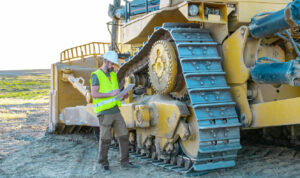
AI driven predictive maintenance systems analyze sensor data, fault codes, and usage patterns to detect early signs of component failure. These tools help contractors schedule repairs before breakdowns occur, reducing costly downtime and emergency service calls.
This is especially valuable for fleets operating across different climates and duty cycles, where wear patterns vary by region and application.
These insights also help contractors evaluate whether repairing, refinancing, or replacing equipment is the most cost effective move based on actual machine performance.
Click here, get pre-approved
Fleet Utilization and Workflow Prioritization
AI platforms track how often equipment is used, how long it sits idle, and how it moves between jobsites. By identifying underutilized or overworked assets, contractors can rebalance fleets, improve scheduling, and avoid unnecessary rentals or purchases.
In high volume construction markets, better utilization directly improves margins and bidding accuracy.
Energy and Fuel Optimization

AI powered energy optimization tools monitor fuel consumption, idle time, and operating behavior to reduce waste. By identifying inefficient run patterns and high fuel burn activities, contractors can lower operating costs while extending engine life.
These systems are particularly effective for fleets running multiple shifts or operating in fuel sensitive urban areas.
Supply Chain and Material Planning Optimization
AI applications help construction companies forecast material demand, manage vendor lead times, and avoid delays caused by shortages or over ordering.
By analyzing historical usage and current project schedules, these tools support more reliable procurement and staging, especially for aggregate, asphalt, and large equipment components.
Document Digitization and Compliance Automation

Construction fleets generate large volumes of paperwork, including inspection reports, maintenance logs, permits, and compliance records.
AI driven document systems digitize, tag, and organize this information automatically, making it easier to retrieve records during audits, inspections, or equipment sales. This reduces administrative burden while improving accuracy and compliance readiness.
Safety Monitoring and Risk Reduction
AI based safety platforms analyze camera feeds, telematics data, and jobsite activity to identify unsafe behaviors or hazardous conditions. These tools support supervisors and safety managers by providing alerts and trend analysis without replacing on site oversight.
Urban construction zones in states like New York and California benefit from improved situational awareness and reduced incident risk.
Growing your fleet? Click here and get a quote
Traffic and Jobsite Flow Optimization

AI tools help manage vehicle movement, delivery timing, and site access by analyzing traffic patterns and congestion risks. This is particularly useful for projects near active roadways or dense commercial areas, where poor traffic coordination can cause delays and safety issues.
Environmental Monitoring and Reporting
AI driven environmental monitoring systems track noise levels, dust, emissions, and runoff conditions to support regulatory compliance and community relations.
Contractors working in environmentally sensitive regions benefit from early alerts and automated reporting that help avoid violations and project disruptions.
Data Protection and Cybersecurity for Construction Operations
As construction technology adoption increases, AI plays a growing role in protecting sensitive fleet, financial, and operational data. AI powered cybersecurity tools detect unusual access patterns and potential threats, helping contractors safeguard jobsite systems, telematics platforms, and digital records.
How AI Supports Smarter Equipment and Fleet Planning

Beyond daily operations, AI driven insights are increasingly used to guide long term equipment decisions. Utilization data, maintenance trends, and jobsite performance analytics help contractors determine when to repair, redeploy, replace, or expand their fleets.
By understanding true machine productivity and lifecycle costs, construction companies can align equipment purchases with workload demand, regional growth, and cash flow planning.
As contractors gain clearer visibility into utilization, maintenance trends, and replacement timing, aligning equipment financing with real operational data becomes a practical way to support sustainable fleet growth without overextending cash flow.
Conclusion
AI applications in construction are evolving into essential support systems for fleets, jobsites, and project teams. From predictive maintenance and safety monitoring to supply chain optimization and automated reporting, these tools help contractors operate more efficiently across diverse regions and project types.
Clear operational data makes it easier for construction companies to plan equipment upgrades, replacements, or additions with confidence rather than urgency. When used strategically, AI strengthens the operational foundation that long term, financially healthy construction businesses are built on.