Top 22 Construction Equipment Types for Contractors
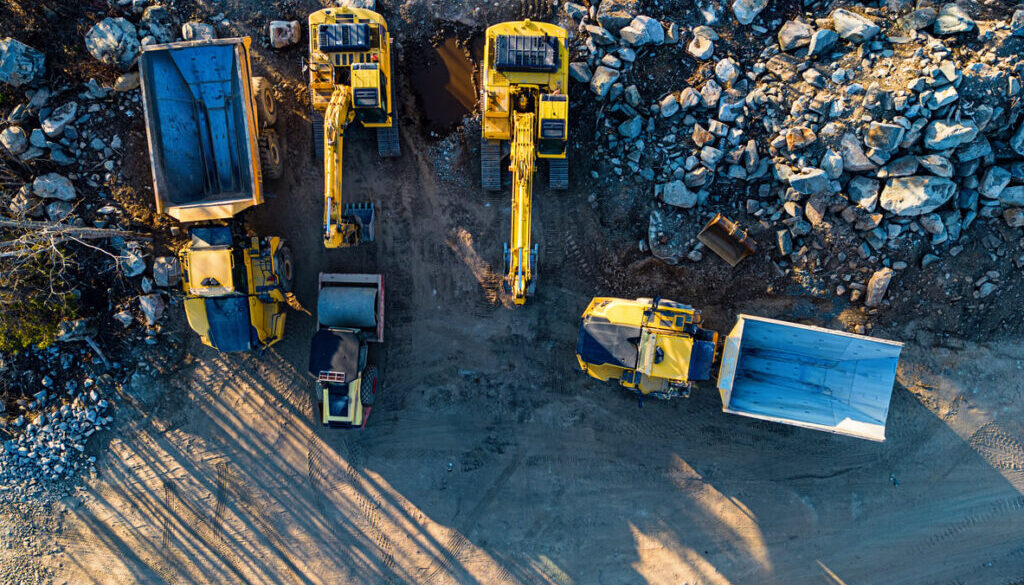
Heavy equipment is the backbone of modern construction, earthmoving, and infrastructure work. Contractors rely on the right machines to move material faster, control labor costs, and scale operations efficiently. Understanding each equipment type helps fleet owners invest strategically and avoid costly mismatches between job demands and machine capability.
This guide breaks down the most important heavy equipment categories contractors use every day and how each supports productivity, utilization, and return on investment.
Excavators
Excavators handle digging, trenching, grading, and demolition across nearly every construction sector. Their versatility and attachment compatibility make them one of the most utilized assets in contractor fleets.
- Used for trenching, site prep, demolition, and utility work
- Supports multiple attachments including buckets, breakers, and augers
- High resale demand due to consistent utilization across industries
Contractors prioritize excavators when they need dependable productivity across different job types and strong long-term asset value.
Finance an excavator for your next project
Skid Steers
Skid steers provide maneuverability and efficiency on tight jobsites, making them essential for residential construction, landscaping, and site cleanup.
- Ideal for confined spaces and quick material handling
- Compatible with dozens of attachments including forks and trenchers
- Lower entry cost compared to larger earthmoving machines
Skid steers are daily workhorses that remain active across multiple crews and project types.
Explore skid steer financing options
Compact Track Loaders
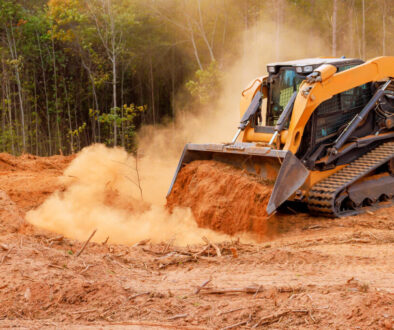
Compact track loaders offer improved traction and stability compared to wheeled skid steers, especially in soft ground and muddy conditions.
- Performs well on uneven terrain and wet jobsites
- Reduces ground pressure and surface damage
- Strong demand in grading, landscaping, and site development
Fleet managers choose compact track loaders to maintain productivity when conditions limit wheeled equipment.
Get compact track loader financing
Bulldozers
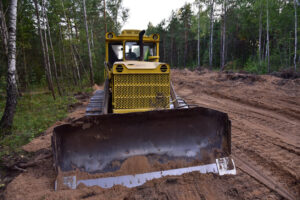
Bulldozers are essential for land clearing, grading, and large-scale earthmoving projects where pushing power and durability matter most.
- Built for heavy material movement and rough terrain
- Critical for road building and site preparation
- Long service life with strong contractor demand
Dozers remain core assets for large development and infrastructure projects.
Wheel Loaders
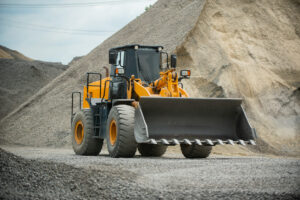
Wheel loaders are designed for material handling, loading trucks, and stockpile management across construction and quarry environments.
- Efficient for moving bulk materials quickly
- Improves loading speed and jobsite productivity
- Widely used in aggregates, paving, and site prep
Contractors rely on wheel loaders to keep material flowing and reduce downtime.
Wheel loader financing for contractors
Backhoes
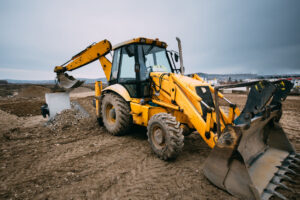
Backhoes combine digging and loading capabilities in a single machine, making them valuable for smaller contractors and municipal work.
- Performs trenching, loading, and lifting tasks
- Useful for utility projects and repair work
- Cost-effective for multi-purpose use
Backhoes are practical for crews who need versatility without expanding their fleet.
Backhoe financing options available
Motor Graders
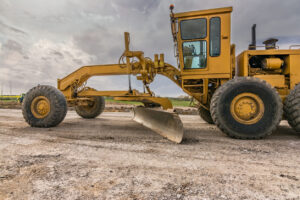
Motor graders are essential for precision grading, roadwork, and finishing surfaces where accuracy is critical.
- Creates smooth surfaces for paving and infrastructure
- Used heavily in road construction and maintenance
- Supports long-duration projects with consistent utilization
Grader ownership is often tied to public works and transportation projects.
Motor grader financing for road projects
Dump Trucks
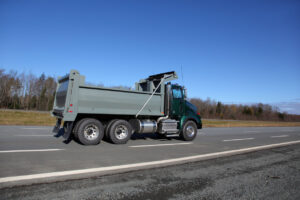
Dump trucks move material efficiently between sites, keeping projects on schedule and reducing manual labor dependency.
- Supports hauling of dirt, aggregate, and debris
- Critical for excavation, demolition, and infrastructure projects
- High demand across residential and commercial construction
Dump trucks generate revenue quickly and remain core assets in many fleets.
Dump truck financing for owner operators
Cranes
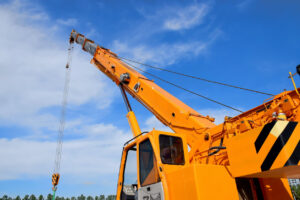
Cranes handle lifting and placement of heavy materials on vertical construction projects and large infrastructure builds.
- Essential for steel erection and commercial construction
- Supports high-value project workflows
- Requires experienced operators and planning
Cranes are often rented or financed strategically due to their high cost and specialized use.
Crane financing for commercial construction
Telehandlers
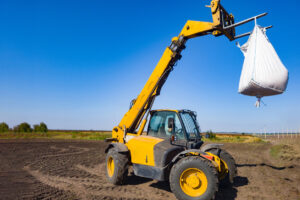
Telehandlers combine lifting height with forward reach to place materials where other machines cannot.
- Moves pallets, materials, and equipment vertically or horizontally
- Supports framing, roofing, and structural projects
- Reduces manual labor and improves safety
Telehandlers are increasingly popular on commercial job sites with heavy vertical work.
Telehandler financing for jobsite lifting
Compactors and Rollers
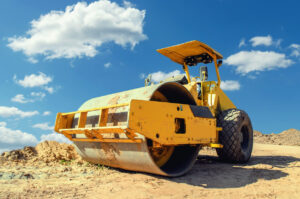
Compaction equipment prepares soil, gravel, and asphalt for long-term structural stability.
- Used in roads, foundations, and paved areas
- Ensures engineering compliance and avoids structural failure
- Supports multiple project phases
Contractors rely on compactors to deliver consistent, reliable site preparation results.
Compactor and roller financing programs
Trenchers
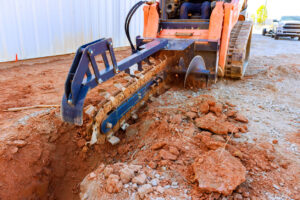
Trenchers support fast, consistent utility installation.
- Cuts trenches for pipes, cables, and drainage
- Reduces manual labor and speeds installation
- Maintains accuracy over long linear runs
Utility contractors depend on trenchers for speed, efficiency, and precision.
Trencher financing for utility contractors
Paving Equipment
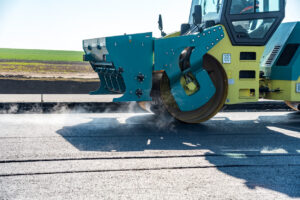
Paving machines support asphalt and concrete placement and finishing.
- Used in road construction, parking lots, and municipal projects
- Ensures consistent material distribution and surface quality
- Supports large-scale infrastructure development
Paving equipment is essential for contractors working in transportation and municipal projects.
Paving equipment financing solutions
Concrete Equipment
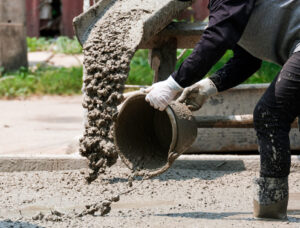
Concrete machines handle mixing, pouring, and finishing concrete efficiently.
- Includes mixers, pumps, and screeds
- Supports foundations, slabs, and sidewalks
- Reduces labor and increases project speed
Concrete equipment is critical for high-volume residential, commercial, and infrastructure projects.
Concrete equipment financing options
Loaders and Crawler Loaders
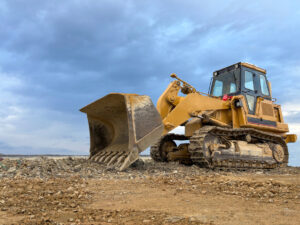
Loaders, including crawler loaders, handle excavation, material movement, and grading in varied terrains.
- Moves dirt, gravel, and other bulk materials
- Performs rough grading and site prep
- Works in conditions where wheeled machines are limited
Crawler loaders combine power and mobility on uneven or soft terrain, expanding jobsite capability.
Special Mention Equipment
Some machines serve highly specialized roles or support niche project types. While they may not be used on every site, knowing about them can help contractors plan for unique projects and expand fleet versatility.
- Pipelayers – Designed specifically for pipeline installation, these machines handle long sections of pipe efficiently and reduce labor for utility projects
- Scrapers – Ideal for moving large volumes of earth across big sites, especially for land leveling or large development projects
- Articulated Dump Trucks (ADT) – Off-road hauling for high-volume material movement on uneven or soft terrain
- Boom Lifts and Scissor Lifts – Provide vertical access for finishing work, mechanical installations, or framing where scaffolding is impractical
- Cold Planers / Milling Machines – Specialized for asphalt or concrete removal, road resurfacing, and precise site preparation
- Drill Rigs / Piling Equipment – Used for deep foundations and infrastructure projects requiring piles or caissons
- Hydraulic Hammers / Demolition Attachments – Often mounted on excavators, these attachments are essential for demolition-heavy jobs
These machines can give contractors a competitive edge for specialized projects, ensuring they can handle anything from deep utility installation to large-scale site prep efficiently. Including them in your fleet planning allows for flexible project support and better long-term ROI
How Contractors Choose the Right Equipment
The best equipment investments balance utilization, project needs, transport logistics, operating costs, and resale value. Machines that stay active across multiple projects typically deliver the strongest return.
- Match machine type to core project demands
- Evaluate total cost of ownership versus utilization
- Consider attachment versatility and operator requirements
Strategic selection ensures fleets remain productive, reduce downtime, and maximize ROI across multiple project types.
Conclusion
Heavy equipment selection directly impacts productivity, profitability, and fleet longevity. Each machine plays a specific role in moving material, preparing sites, and supporting crews. Contractors who align purchases with real project needs build stronger fleets, reduce idle assets, and scale operations efficiently. Strategic planning of equipment types allows businesses to maintain consistent revenue while preparing for larger or more complex projects.
FAQ
What is considered heavy construction equipment?
What are the most common types of construction equipment used today?
Which heavy equipment is most important for contractors starting a fleet?
How do contractors choose the right type of equipment?
What is the difference between skid steers and compact track loaders?
When should a contractor choose a bulldozer instead of a loader?
Why are excavators one of the most valuable construction machines?
What equipment is used for road construction projects?
What machines are used for utility and trenching work?
What type of equipment is best for material hauling?
What equipment is required for concrete projects?
What machines are used for lifting heavy materials on jobsites?
What is specialized construction equipment?
Is it better to buy or finance heavy equipment?
What construction equipment has the best resale value?
How does equipment utilization impact ROI?
What factors affect total cost of ownership for heavy equipment?
What equipment is best for small construction companies?
What equipment is needed for large infrastructure projects?
How do attachments increase equipment value?
What role do dump trucks play in construction fleets?
Why are motor graders critical for roadwork?
How do contractors plan fleet growth?
What equipment supports demolition projects?
What is the future outlook for heavy construction equipment demand?